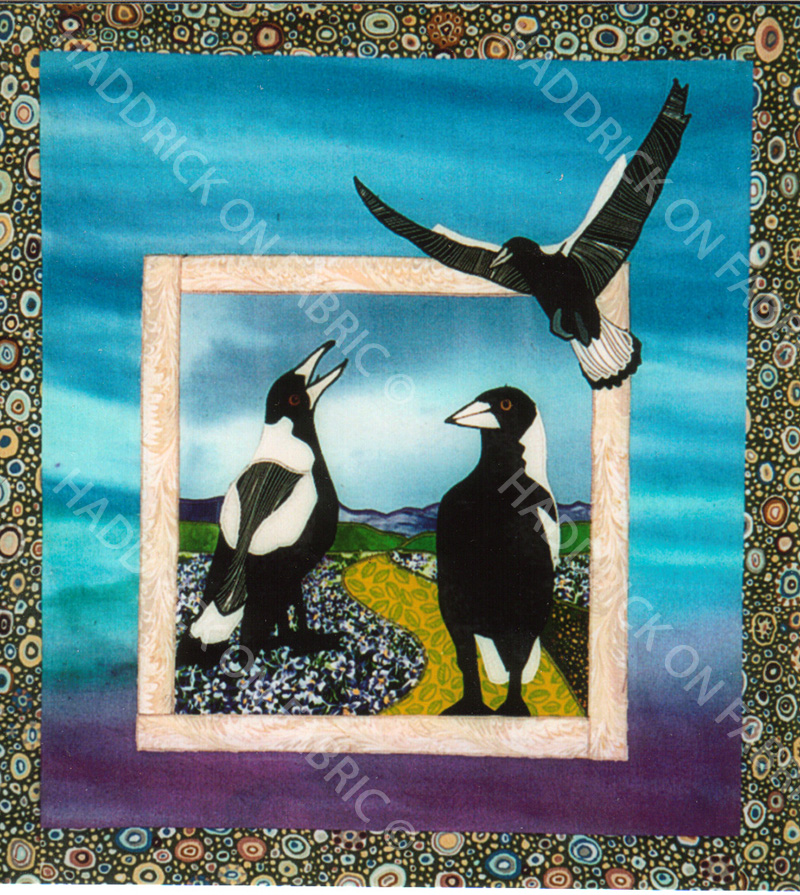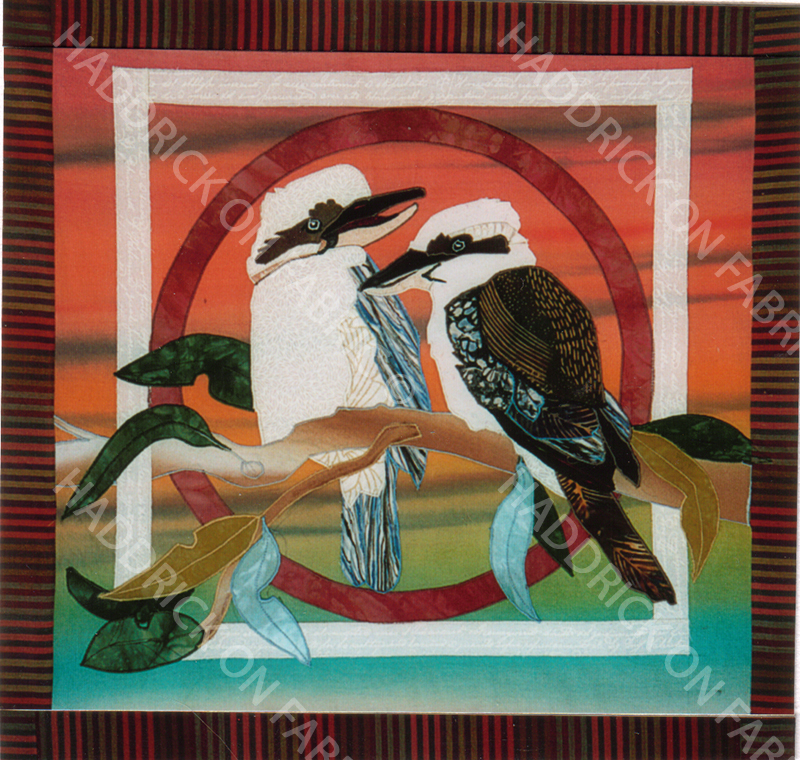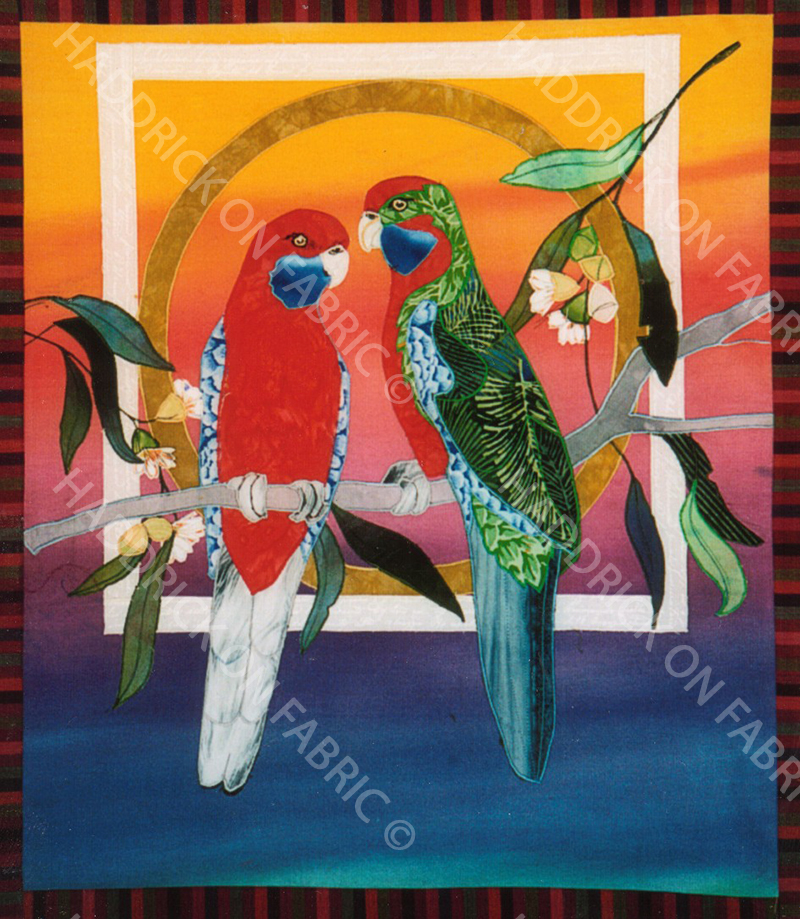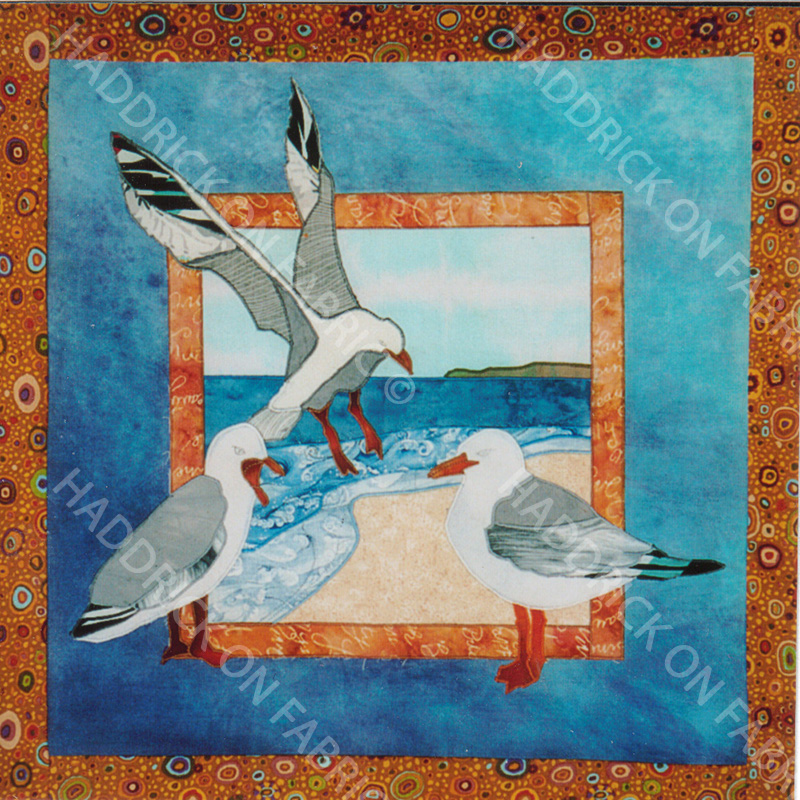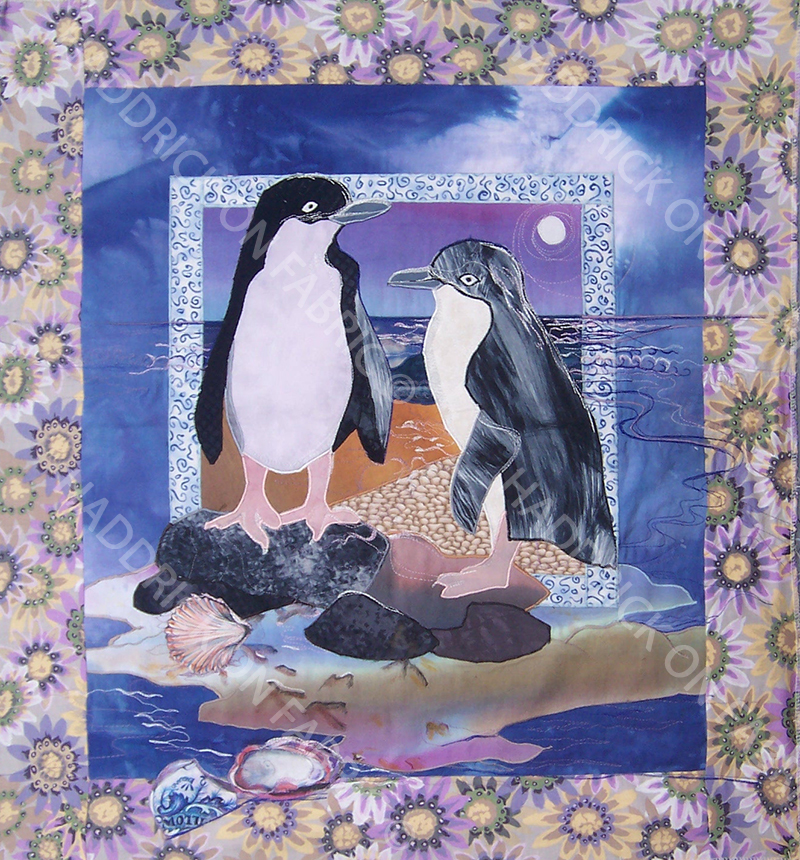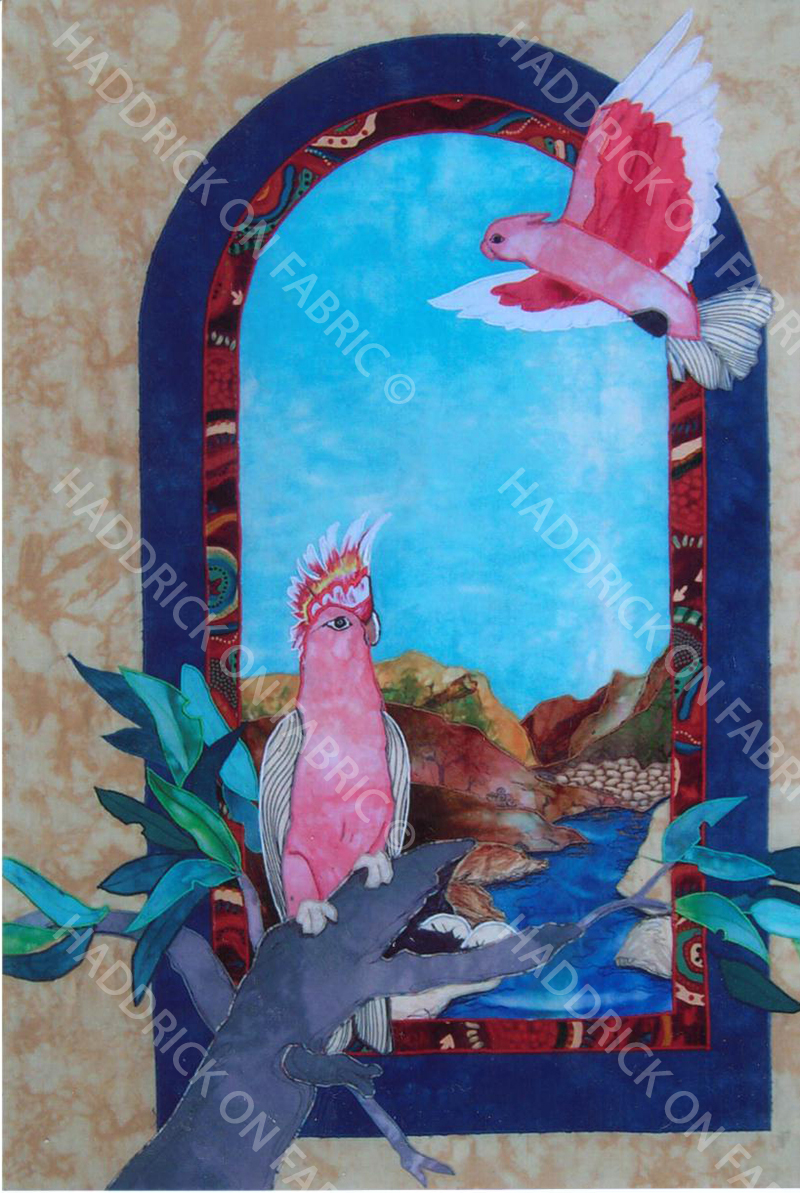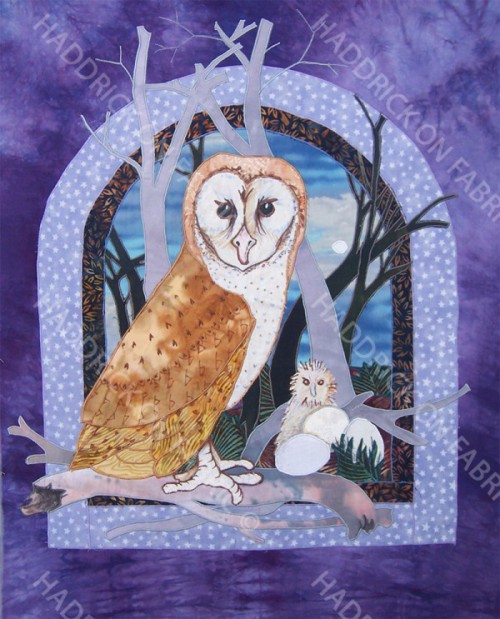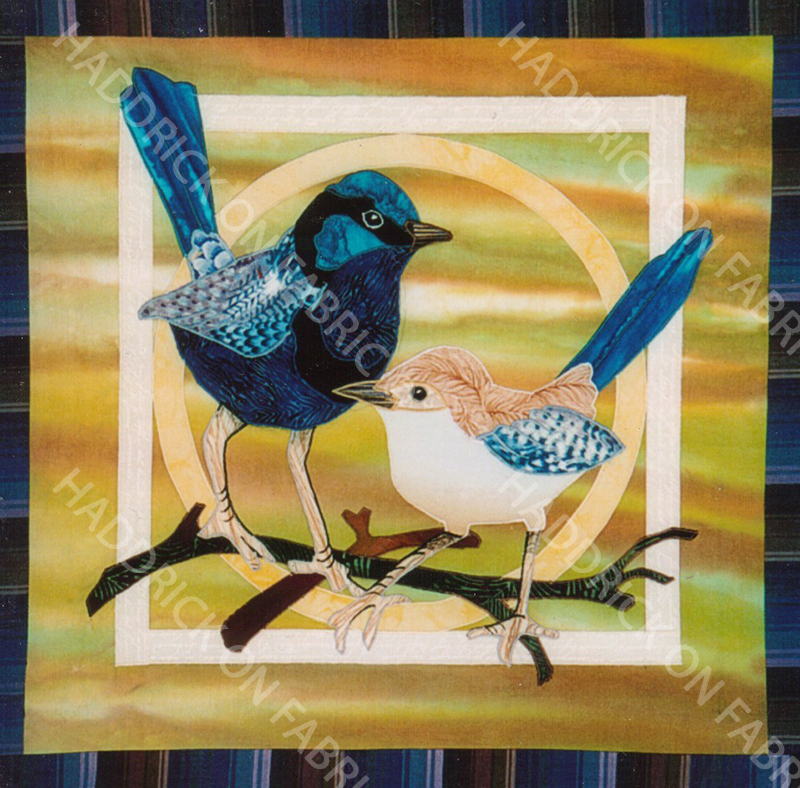
Kidstitch
back  


How old were you when you learnt to sew? Do you remember who taught you how to thread a needle? Did you crave beautifully neat, even embroidery stitches like Mum had done on her doilies and tray cloths? Who taught you tomboy stitch, knit, crochet or cross stitch? Did you perhaps enjoy sorting the reels of coloured threads, wools or fabrics in the sewing cupboard? Was your first experience with sewing sitting near that treadle machine and begging Grandma to use it withyou? Do you remember actually learning to sew?

Western children of the 21st century utilize electronic games, digital cameras and the like to enjoy stimulation, education, entertainment and communication. Often an isolating, yet time consuming activity, youngsters have much less time spent with families, friends or neighbours in activities that may provide social, physical, emotional or creative stimulation and support. Many school curriculums struggle to find the time to provide lessons in sewing, fashion, textiles or the creative arts. Like wise, textile teachers are in very low supply, so how is the next generation going to learn some basics?


Perhaps someone shared their interest and knowledge with you, passing on their love of fabrics and sewing? I would like to challenge quilters in SA to consider sharing a little of their time to encourage a child or children to sew. I'm not suggesting that you teach 30 year 3’s at the local primary school to quilt. Far from that! Some gentle 1:1 with a grand child, a neighbours’ child, a family friend or even small groups like in a church / youth groups. Perhaps you might like to take a couple of quilter friends with you to the local school and set up a display in the library of some sewing and quilts. Offer to show interested kids how to sew. I find the natural curiosity and enthusiasm of primary students quite amazing and it is incredibly rewarding to work with motivated children in this field.

A few ideas:
• Use the “KISS” approach {Keep it simple stupid}
• Begin with not an overwhelming choice in fabric and colours and invite the child to choose fabric, design etc. Save the “going to the fabric shop until they have done a practice one first”
• Don’t overwhelm with terminology and rules of sewing. Begin with a straightforward sample. Whilst the provided designs are very simple, the aim is to sew.
• I would recommend copying and sewing one design first, then allowing the child further opportunities to explore their own ideas. Much time can be spent designing with a child and then wasted because they don’t understand enough quilting techniques to keep shapes, curves and pieces simple.
• Be organized. Have sewing equipment out ready to use. Attention spans of the youngster can wane if bored. You may like to have some special tools in a box ready for them to use when they visit.
• Cut fabric strips with rotary cutter for the child. I don’t allow students under 14 years old near my cutters. We don’t want injuries
• Consider the child’s age and attention span. It isn’t realistic to make this sample in one go with a really young child.
• Make a sample either before or with the child, and plan to exhibit together


AIM:
• To share your love of sewing with a child and together, make a sample wall hanging quilt.
• To enter yours and the child’s first quilt together in the “Kids “section of the SA Quilters Guild exhibition. Send us a photo as well. These could be displayed on a computer with the exhibition.
• Invite the young quilter to view the exhibition in November and bring the family too.

REQUIREMENTS finished size; 15 x 17 inches

• Centre fabric 10 x 12 inch
• Iron on fabric stabilizer 9 x 11 inch
• Border fabric 2 @ 3 x 17 inch
• Border fabric 2 @ 3 x 10 inch
• Applique fabric; scrap sizes
• Batting or Pellon 17 x 19 inch
• Backing fabric 17 x 19 inch
• Centre fabric 10 x 12 inch
• Binding fabric or wide [1 inch ] bias binding
• Vleisofix


PROCESS:
1. Cut fabrics to size
2. Sew border strips to sides of centre square,
then stitch top and bottom border strips together.
Use ¼ inch seam allowance
3. Iron seams towards the centre.
4. Iron fabric stabilizer to back of centre fabric
5. Trace appliqué shapes on the reversed pattern on a light box.
6. Iron vleisofix on to back of fabric; cut out pieces
7. Trace placement lines on fabric before removing paper and ironing to centre of quilt top
8. Stitch using hand or machine stitching. Blanket stitch and zig zag stitch would be easiest
9. Older children may like to embellish further with say beads or ribbon.
10. Layer the batting and backing to the quilt top and pin in place
11. Quilt or tie the 3 layers together
12. Bind with 2 ½ inch wide fabric strip and add a small sleeve to the back
13. Label quilt with name and age of artist, date etc.


How to print/save Kidstitch patterns:

PC:

1. Right click on the picture desired

2. "Save Picture As..."

3. Import/insert picture into Word

4. Rescale image to A4 size

5. Print/save


MAC:

1. Right click on the picture desired

2. "Save Image to the Desktop"

3. Import/insert picture into Word

4. Rescale image to A4 size

5. Print/save


HOME